Protetto: Teosofia a ruota libera … googling
08 lunedì Gen 2018
Posted in Articoli della Rivista Teosofica Ticinese
≈ Inserisci la tua password per visualizzare i commenti.

08 lunedì Gen 2018
Posted in Articoli della Rivista Teosofica Ticinese
≈ Inserisci la tua password per visualizzare i commenti.
07 domenica Gen 2018


Swiss Agency presentation during the opening of the 142nd Convention
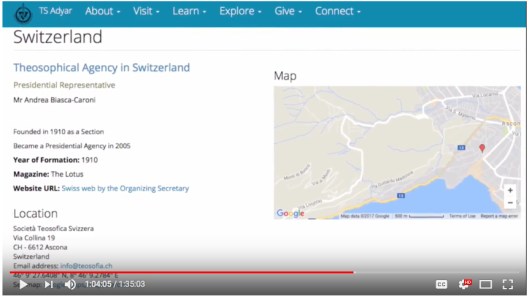
Greetings form the TS in Switzerland represented by Andrea Biasca-Caroni

20 mercoledì Dic 2017


Buone feste e a tutti ! Per coloro che non potranno recarsi alla Convention ad Adyar sono previsti i video in diretta online a questo indirizzo.
Gli incontri ad Ascona ricominciano il 9 gennaio
(il 26/12 solo se ci sono altri 2, vedi whatsup).
Ne approfitto per stilare qualche bilancio dell’attività 2017.
Il 2017 è stato senz’altro l’anno del coronamento di un lungo lavoro di preparazione per il rilancio della società Teosofica in Svizzera che è cominciato almeno 10 anni fà con la fondazione del gruppo e che si concretizza oggi con la presidenza nazionale ad Ascona nel nostro gruppo. Il testimone passa quindi da Ginevra (un sentito ringraziamento per aver tenuto viva la fiaccola in tutti questi anni) ad Ascona da dove anni or sono era transitata la Teosofia verso l’Italia e per alcuni anni la sperimentazione aveva attirato da ogni dove ricercatori dello spirito. A questo proposito è doveroso ringraziare per la partecipazione tutti i membri dei gruppi ticinesi e in particolar modo per l’aiuto fattivo il Segretario Italiano Antonio Girardi, il suo braccio destro, nonché membro dell’esecutivo europeo Patrizia Calvi e il presidente internazionale Tim Boyd per la fiducia dimostrataci.
Il lavoro in Svizzera inizia veramente ora per noi e confido nel vostro sostegno per proseguire con lo stesso spirito in futuro. Grazie anche alle sorelle Luganesi e un particolare augurio per una futura fondazione anche agli amici di Bellizona. A Zurigo è doveroso citare un notevole impegno che sta portando già i suoi frutti. Dopo tanti sforzi i risultati sono arrivati e veramente sono molto orgoglioso di tutto quello che riusciamo a fare insieme.
Un abbraccio
Andrea Biasca-Caroni
Rappresentante presidenziale per la Svizzera.
Registration date is over
Click to the information and detailed program in this page
Schedule at the Convenion 2017-18


01 venerdì Dic 2017
19 domenica Nov 2017
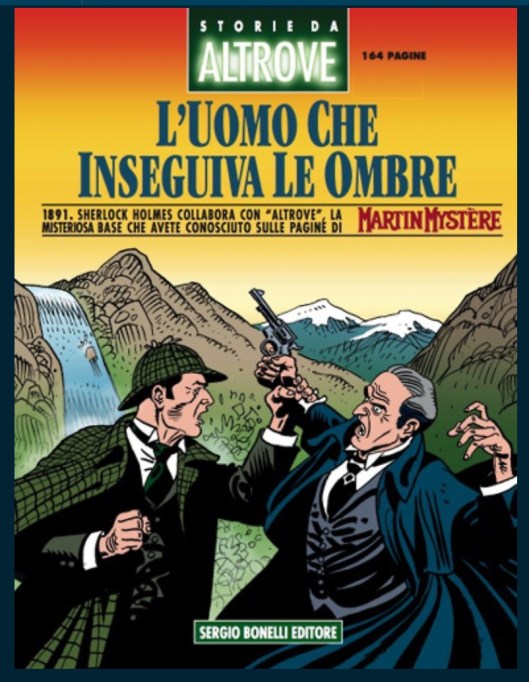
Settembre 1859. La tempesta solare più potente della storia porta conseguenze fino sulla Terra, dove si manifestano insoliti fenomeni di aurora boreale, e le onde elettromagnetiche mandano in tilt i telegrafi in più continenti. Ma c’è un particolare effetto che non verrà sentito per più di trent’anni Maggio 1891. Alle cascate di Reichenbach, in Svizzera, ha luogo lo scontro finale tra Sherlock Holmes e il suo più acerrimo nemico, il napoleone del crimine: il professor James Moriarty. I duellanti scompaiono entrambi, ma sono davvero morti? Pochi giorni dopo, un turista inglese si aggira per Firenze con aria circospetta, alla ricerca di informazioni utili a fermare l’ultimo piano del diabolico professore, messo in atto prima della sua dipartita. Un piano che ha a che fare in qualche modo con uno dei diari della misteriosa madame Helena Petrovna Blavatsky
26 giovedì Ott 2017
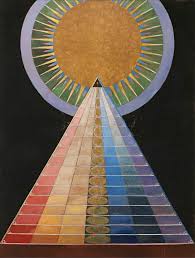
Per chi masticasse l’inglese mi sono divertito a preparare un sunto di quello che ho trovato in rete riguardo all’arte e alle sue influenze teosofiche. La notizia è che l’arte astratta prende inizio non dai famosi Kandinsky, Malevich, Mondrian ma da una sconosciuta svedese che già nel 1906 riporta le sue visioni spirituali su tela e fa “Astrattismo” … Hilma Af Klint su Theosophyart.
26 giovedì Ott 2017
11 mercoledì Ott 2017


Ho trovato un pezzo di Teosofia a Lugano domenica scorsa… complice la Presenza in Ticino del Monte Verità e dei Teosofi dell’epoca un pezzettino è andato a finire anche in un Museo aperto al grande pubblico…
MOSTRE
Il Museo d’arte della Svizzera italiana, nell’ambito del progetto Focus India, dedica una grande mostra all’India e all’influenza da essa esercitata sulla cultura e l’arte occidentale nelle sue diverse espressioni. “Sulle vie dell’illuminazione. Il mito dell’India nella cultura occidentale 1808-2017” offre uno sguardo ampio e diversificato sul modo in cui, dall’inizio dell’Ottocento a oggi, la realtà indiana – con le sue tradizioni, religioni, paesaggi, culture e forme artistiche – ha affascinato e influenzato in maniera crescente il mondo artistico e culturale occidentale. A cura di Elio Schenini, la mostra è posta sotto al patrocinio dell’Ambasciata indiana in Svizzera.
Il percorso espositivo, esteso sui due piani del Museo, declina il tema portante della mostra attraverso 400 opere e una molteplicità di materiali, mettendo in luce la profonda influenza che l’India ha esercitato sull’arte e sulla cultura occidentale negli ultimi due secoli: dalle riflessioni sull’induismo e sul buddismo di Schopenhauer, cui si rifarà negli anni a venire anche la letteratura di Herman Hesse, divenuta un riferimento per intere generazioni con Siddhartha, alle analisi antropologiche di Carl Gustav Jung; dai romanzi popolari di Kipling ed Emilio Salgari, al cinema di Rossellini e Pasolini. E poi ancora i Beatles che contribuirono a rendere l’India di moda tra la gioventù occidentale, come testimonia il connubio tra musica, spiritualità orientale e sperimentazione psichedelica della controcultura giovanile tra gli anni Sessanta e Settanta. Senza dimenticare, infine, gli scatti “indiani” di Henri Cartier-Bresson e di Werner Bischof, la città ideale immaginata a Chandigarh da Le Corbusier e i tanti artisti che negli ultimi decenni hanno tratto ispirazione e influenze dal subcontinente indiano: da Robert Rauschenberg a Frank Stella, da Richard Long a Luigi Ontani da Francesco Clemente ad Anselm Kiefer, per citarne solo alcuni. Un percorso espositivo ricco ed estremamente variegato dal quale risulta chiaro come l’India e le sue tradizioni millenarie abbiano sedotto una moltitudine di intellettuali ed esponenti della cultura europea dall’Ottocento ad oggi.
Il catalogo
In occasione della mostra viene pubblicato da Skira un volume di 672 pagine che ripercorre la storia di questa “fascinazione indiana” dell’Occidente attraverso un ricchissimo apparato iconografico e un gran numero di contributi di autori diversi che si soffermano sui molteplici ambiti in cui questa fascinazione si è espressa, dall’arte alla letteratura, dalla musica alla religione, dalla storia del costume alla psicologia. Ne risulta un percorso singolare attraverso gli ultimi due secoli di storia della cultura occidentale, in cui si possono incontrare, tra moltissime altre, le figure di Schopenhauer, Kipling, Salgari, Redon, Gustave Moreau, Mata Hari, Kirchner, Hesse, Jung, Cartier Bresson, Le Corbusier, Ginsberg, Pasolini, Sottsass, i Beatles, Rauschenberg, Francesco Clemente, Luigi Ontani.
70 Years of Swiss-Indian Friendship
La mostra si colloca nell’ambito dell’iniziativa biennale “70 Years of Swiss-Indian Friendship: Connecting Minds – Inspiring the Future (SIF70)”: una serie di eventi organizzati dall’ambasciata Svizzera in India per celebrare i 70 anni dell’amicizia indo-svizzera, sancita dal trattato firmato dai due paesi a Nuova Delhi il 14 agosto 1948.
20 mercoledì Set 2017
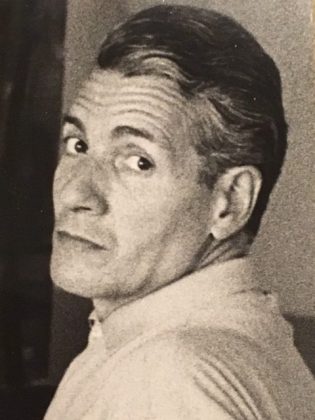
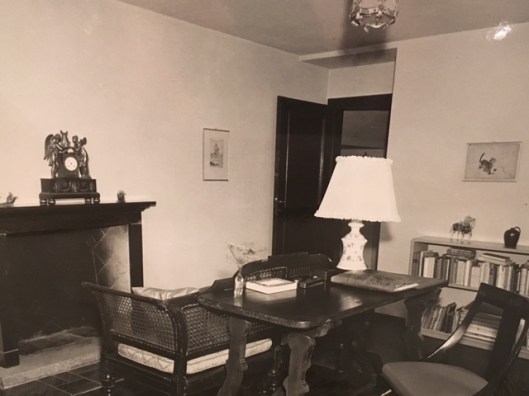
This is the story of a mysterious painter, a spiritual seeker. In his house I’ve found books from: Krishnamurty, Aurobindo, Rudolf Steiner, Zen, Egyptology, astrology, homeopathy, Induism, a deep, international, vast spiritual and artistic knowledge.
Luigi Pericle Giovannetti (Monterubbiano, 1916-2001) was an Italian-French-Swiss artist.

Title : “DER HUTER DER SCHWELLE”
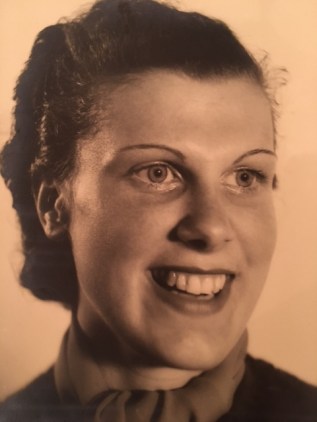
He died in his house in Ascona 4 years after his beloved wife Ursula in 2001.
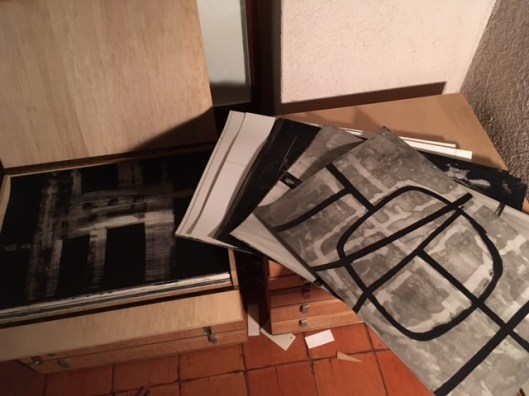
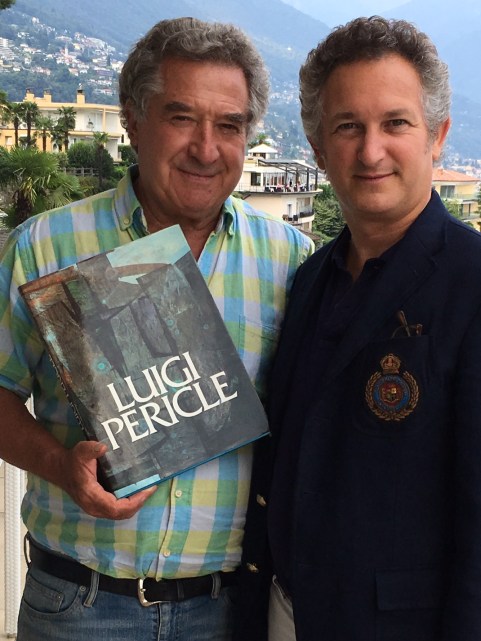
In 2016 after 15 years of abandon Greta and Andrea Biasca-Caroni had the chance to buy the Luigi Pericle (Giovannetti)’s house including the undiscovered paintings of his owner, Luigi Pericle Giovannetti, who died in 2001 leaving no heirs. The Biasca-Caroni recognised the value of the paintings and start to take charge of the Luigi Pericle estate, publicizing his work and contributing to projects such as the official site of the painter and a documentary on his life. They are now contacting several journalists, curators and art experts in order to unveil to public the secret and vaste (the biggest part of the) collection of Luigi Pericle.
Pericle Luigi Giovannetti initially gained his life with his cartoons, picture stories and anthropomorphic birds, that were published in magazines and anthologies. His biggest success was the marmot ‘Max’, who made his first appearance in the satirical British magazine Punch in 1952.
In 1959 Luigi Pericle made the encounter of his life with his patron Peter G. Staechelin.
During his lifetime, Peter G. Staechelin had rounded out the collection (i.e. a still life by Toulouse-Lautrec or the “separat-ed (by the artist himself) part” of Vallotton’s “Moscow” painting), without however affecting its historical configuration to any great extent. Rather, he applied his artistic connoisseurship to becoming an incomparable patron on behalf of Luigi Pericle, a graphic artist and painter. Before adopting what was to become his true means of artistic expression, Luigi Pericle racalled : “We began working together on August 15th, 1959, when, with all the strength of his experience, my benefactor became impassioned of my barely created work.” At that point in time, Pericle, who had destroyed all his artistic production from the thirties, was in the process of creating from scratch: “At first, my benefactor was but an observer, whose attention had been captured by the novelty of creation. But thanks to an innate talent of his – a marvelous and promising artistic sense – he soon began providing spiritual post-creative support and, as such, actually became a spiritual partner in the creative act itself. His skill was to enable him to ‘read’ the most complex of graphic lines, meaning he was capable of seeing and understanding correctly.” The artist described the art patron as a “virtuoso of seeing”.
Ruedi Staechelin posses about 100 pieces of the Luigi Pericle artistic works produced during the sixties and seventies. The Staechelin Foundation sold all its Schiele and Klimt works in order let work Luigi Pericle develop his art without material problems so that he could focus on painting.
A remarquable episode can be attributed to the visit of Sir Herbert Read to Luigi Pericle’s atelier in Ascona.
Sir Herbert Read (1965) was a personal friend of Picasso and Man Ray, adviser to Peggy Guggenheim as collector, promoted Surrealism co-founding the Institute of Contemporary Arts.
Read was trustee of the Tate Gallery and curator at the Victoria & Albert Museum (1922–39), Professor at Harvard University.
Sir Read in 1965 wrote :
“On a recent visit to Switzerland, I was invited to visit the studio of an artist whose work was unknown to me – LUIGI PERICLE. I went without great expectations because an unknown artist is so often unformed artist, or at best a talented amateur. I found an artist whose works imediately impressed me by their professional skill and strange beauty. Here evidently was an artist who had perfected his talent in stillness, and was using that talent to express a subtle perception of reality. Sometimes there was a vague suggestion of naturalistic forms, but form itself was established beyond phenomenal appearances, to represent some inner essence, some spiritual condition that can be represented only in the abstract harmonies of line and colour. A metaphysical art, therefore, but one that remains faithful to the sensous qualities of the material of the painter’s craft. LUIGI PERICLE was a mature artist whose work is highly appreciated in England and Switzerland; that it is not better known in other countries can only be attributed to the artist’s extreme modesty and long pursuit of an absolute beauty. “
Few people are aware of Giovannetti’s painting skills, since after the first triumph he never wanted to exhibit or sell his works.
Sir Read presented Luigi Pericle to Hans Hess who wrote about him :
Foreword by Hans Hess, OBE, MA, YORK
Pericle is concerned with a state of affairs beyond the visible. The visions he puts down are not of his invention, but of his discovery. He himself says that he is concerned with light, shining through darkness. It is this light which finds forms and colours in his paintings. In his work there is one theme, but this theme is treated in varying forms; the pictures can be divided into groups in which one formal element predominates; when its possibilities are exhausted a new formal motif is developed until its history too is explored in the process of creating its history and a new line of approach is attempted. In technique Pericle is a master equal to the old Flemish painters whose jewel — like enamelled glazes he has studied and applied. There is a great richness in the very texture and matiere of his pictures, but this, laudable as it is, would not matter if the sum total of harmonies, in fact, the picture as a unity, would not speak to us through its quality. In Pericle’s work self-expression does not dominate; it is the objective statement which matters, expressed necessarily in a subjective form. No artist can help but express the world in his lines, but it is not the self that matters in our artist’s case, but the facts he establishes.
Luigi Pericle exposed between ’62 and ’65 mainly in London at the Tooth Gallery, solo and with Karel Appel, Jean Dubuffet, Frédéric Benrath, Norman Bluhm, Bram Bogart, William Brooker, Corneille, William Crozier, Thomas Erma, Louis Feito, Sam Francis, Derek Hirst, Paul Jenkins, Asger Jorn, Lucio, Georges Mahieu, Antonio Lago, Bengt Lindstrom, Henri Michaux, Manolo Milares, Peter Phillips, Jean Paul Riopelle, Antonio Saura, Antonio Tapies, Robert van Eyck, Pierre Wemaere at the Colour, form and texture esposition at the Tooth and Sons Gallery in London
After these public events Luigi Pericle voluntary disappeared in his Ascona retreat and continued to paint, study, meditate and write. At least two unpublished book were found in Ascona and will be soon available to the public.
His painting are collected in some of the most important international collections. For instance the most important can be mentioned hereafter :
Greta & Andrea Biasca-Caroni Collection, Ascona
Rudolf Staechelin collection, Basle
Burckhardt – Koechlin collection, Museum Basle
P. & M. Strauss – Meerwein collection, Arlesheim
Lady Tate collection, London
Sir Basil de Ferranti collection, ICT House, London
A. C. F. Turner collection, London
Th. Lumley collection,
Bennett Korn collection, New York


30 mercoledì Ago 2017